TÜRKÇE
Karkamış / Karkamiš
Karkamış (Carchemish) was an important settlement even before the 2nd millennium BCE. Karkamış remained under Mitanni (Hurri) rule during the 15th and 14th centuries and then came into Hittite control during Suppiluliuma I (ca. 1330 BCE). Suppiluliuma turned Karkamış into a vassal kingdom ruled by his son Piyasili, who is also known by his Hurrian name Šarri-Kušuh. Located on the west bank of the Euphrates (today at the border of Turkey and Syria), Karkamış became the administrative capital of the Syrian territories of the Hittite Empire during the Late Bronze Age and was ruled by a side branch of the Hittite royal family. After the collapse of the Hittite Empire around 1180 BCE, initially Karkamış ruled over a relatively larger territory reaching to Malatya in the north. Later, it ruled only around Karkamış surviving as one of the several smaller Neo-Hittite kingdoms established in southeast Anatolia and northern Syria. The city was an important trade center and reached its apogee around the 9th century BCE. The patron deity of Karkamış was Kubaba, a goddess of Hurrian origin. In her depictions, she was presented as a woman wearing a long robe, standing or seated, and holding a mirror. In the 9th century BCE, the city was under pressure from the Assyrian,s and it is known that tribute was paid on at least two occasions to the Assyrian kings Ashurnasirpal II and Shalmaneser III. The city was finally conquered by Assyrian king Sargon II in 717 BCE, during the reign of king Pisiri.
The location of the city ruins was identified in 1876 by George Smith. Between 1878 and 1881, some soundings were conducted by the British Museum under Patrick Henderson, but the first proper excavations were carried out between 1911 and 1914, under D. G. Hogarth, R. C. Thompson, C. L. Woolley, and T. E. Lawrence. These expeditions uncovered substantial remains of the Neo-Hittite and Assyrian periods, including defensive structures, temples, palaces, and numerous basalt statues, reliefs, and inscriptions. The site is located on the Turkish side of the Turkish-Syrian border and was under a minefield since the 1950s. In 2011, Turkish government cleared the mines, and new excavations in Karkamış started the same year under the supervision of Prof. N. Marchetti of Bologna University.
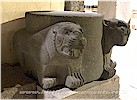
All monumental finds date to the Neo-Hittite period. In the first millennium BCE, Karkamış consisted of a high citadel mound by the Euphrates with a walled inner town and an outer town. Excavations revealed a processional way that led to the temple of the Storm-God and to a monumental stairway to the citadel. The whole complex was decorated with basalt and limestone sculptures. Most of the orthostats and statues from the early excavations are currently in the Anatolian Civilizations Museum in Ankara. Several other artifacts are in the British Museum. Findings from the recent excavations are either kept at the site or transferred to the Gaziantep Archaeology Museum.
Click on the pictures for larger images. Scroll down for detail pages of certain items.
City Plan


Long Wall of Sculpture


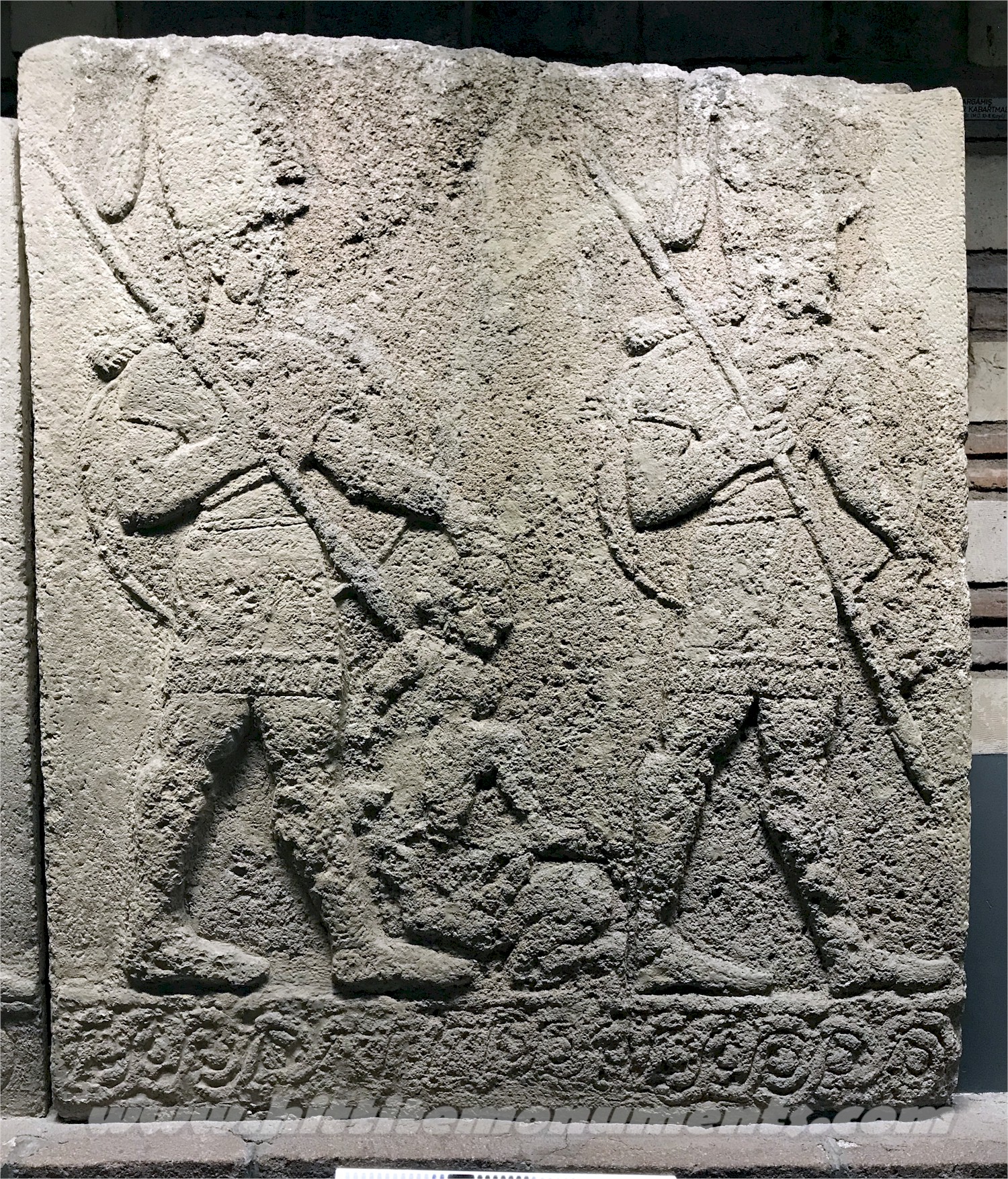


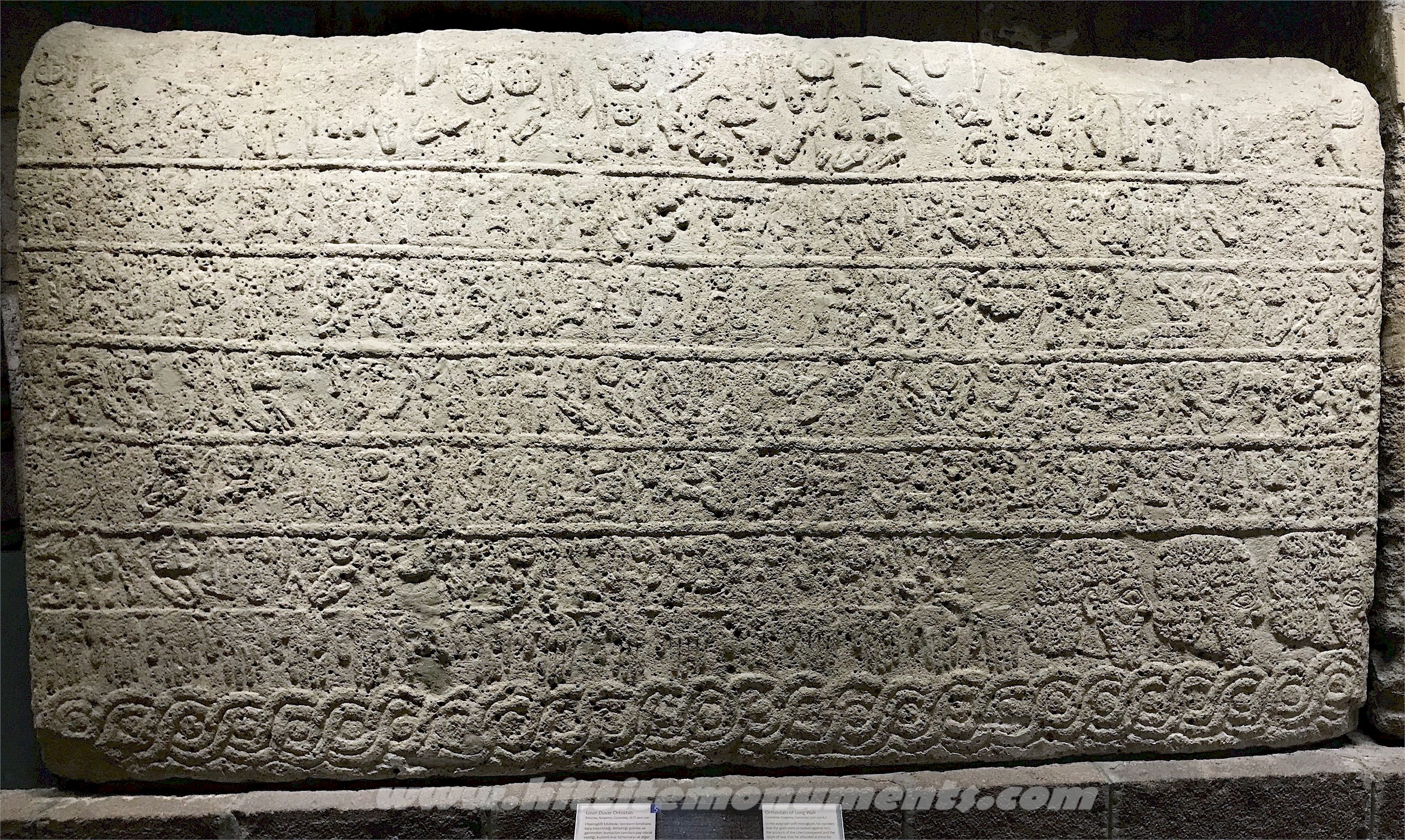


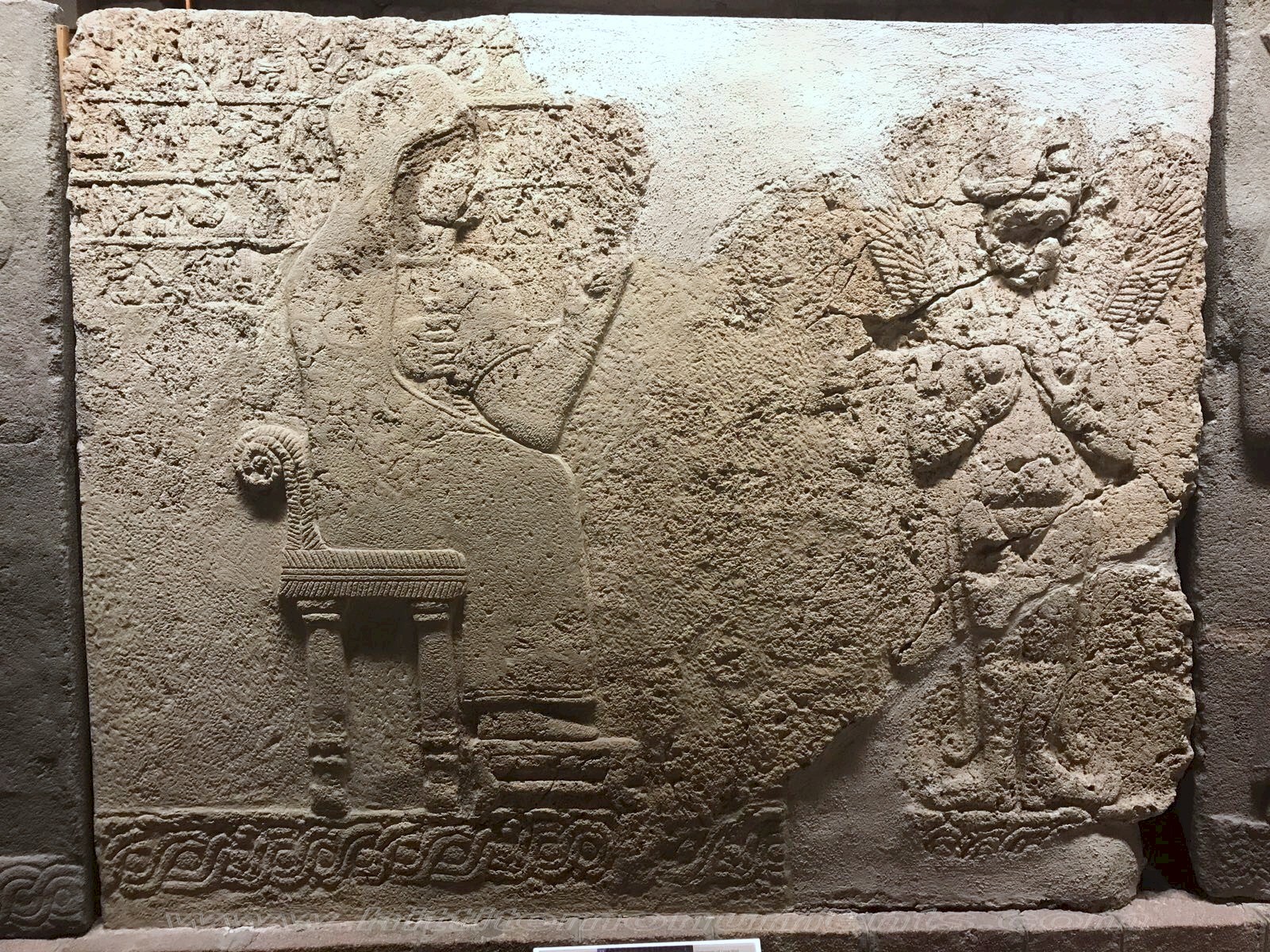

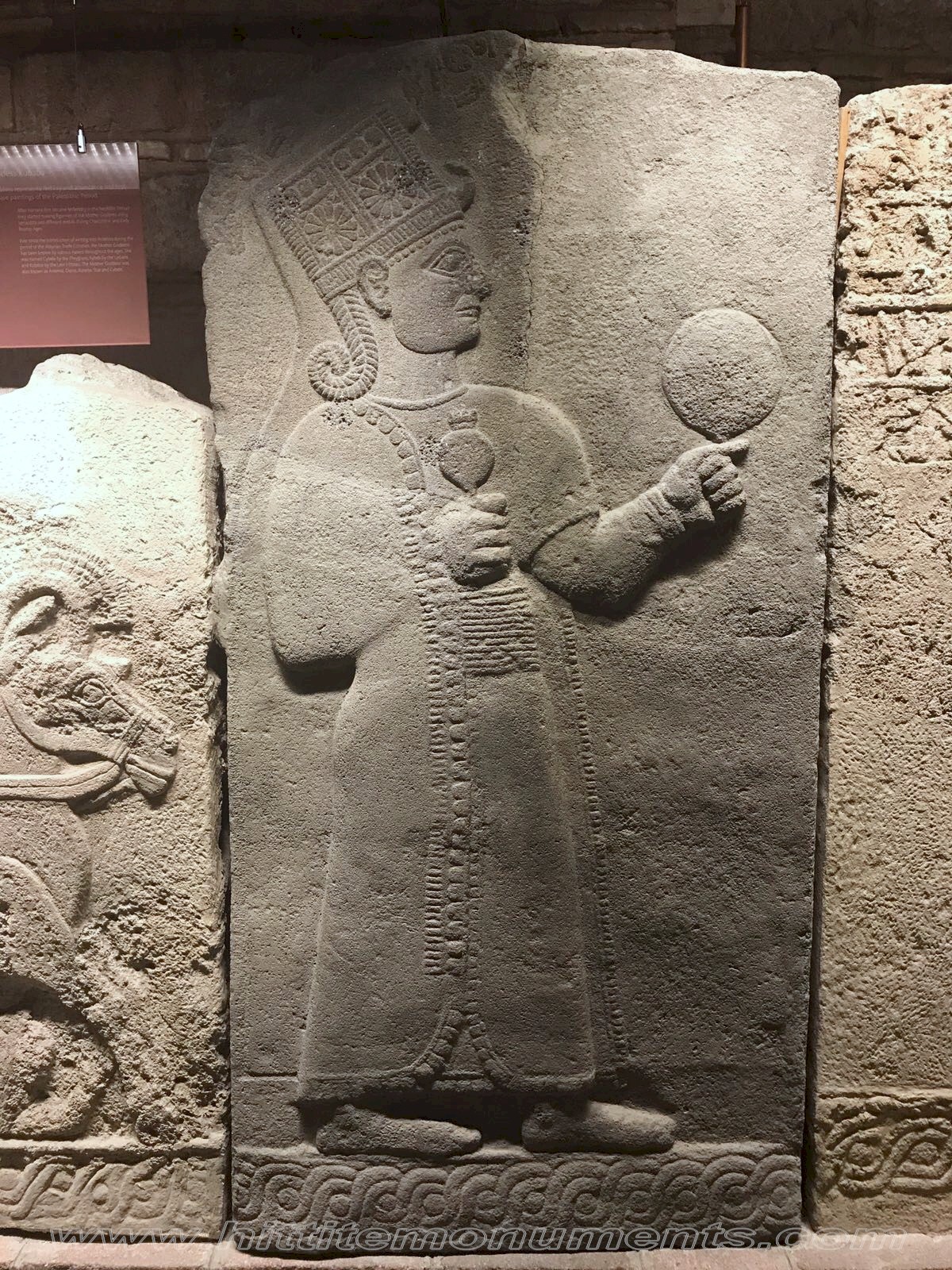

Great Staircase to the Citadel


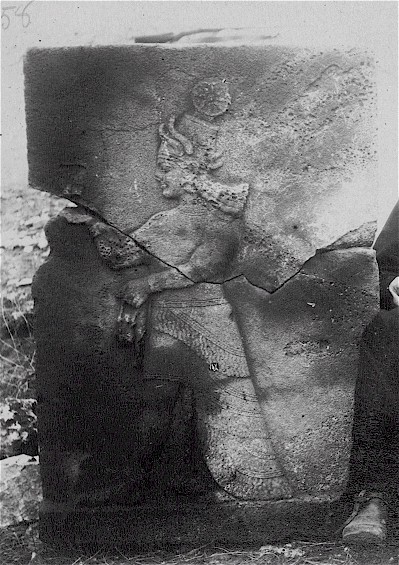

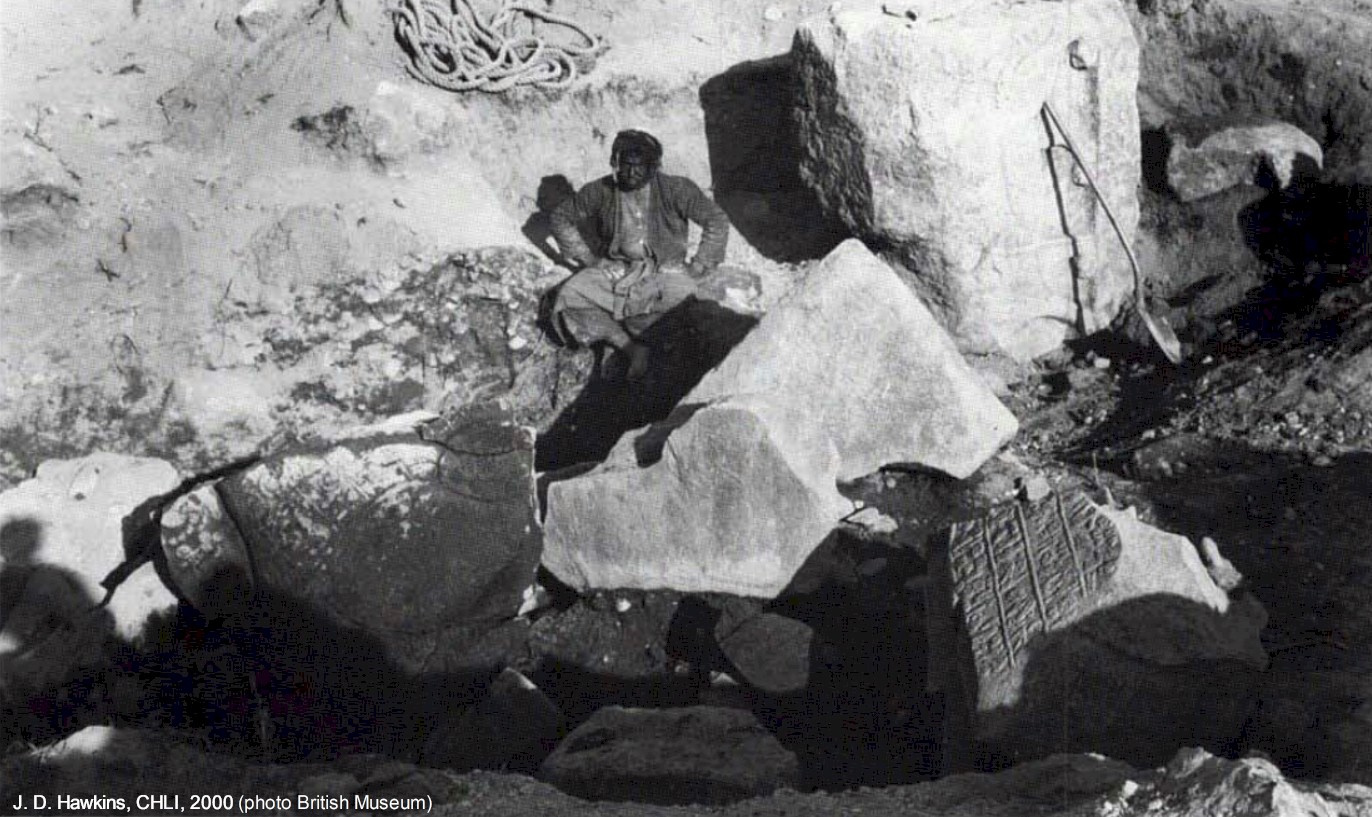
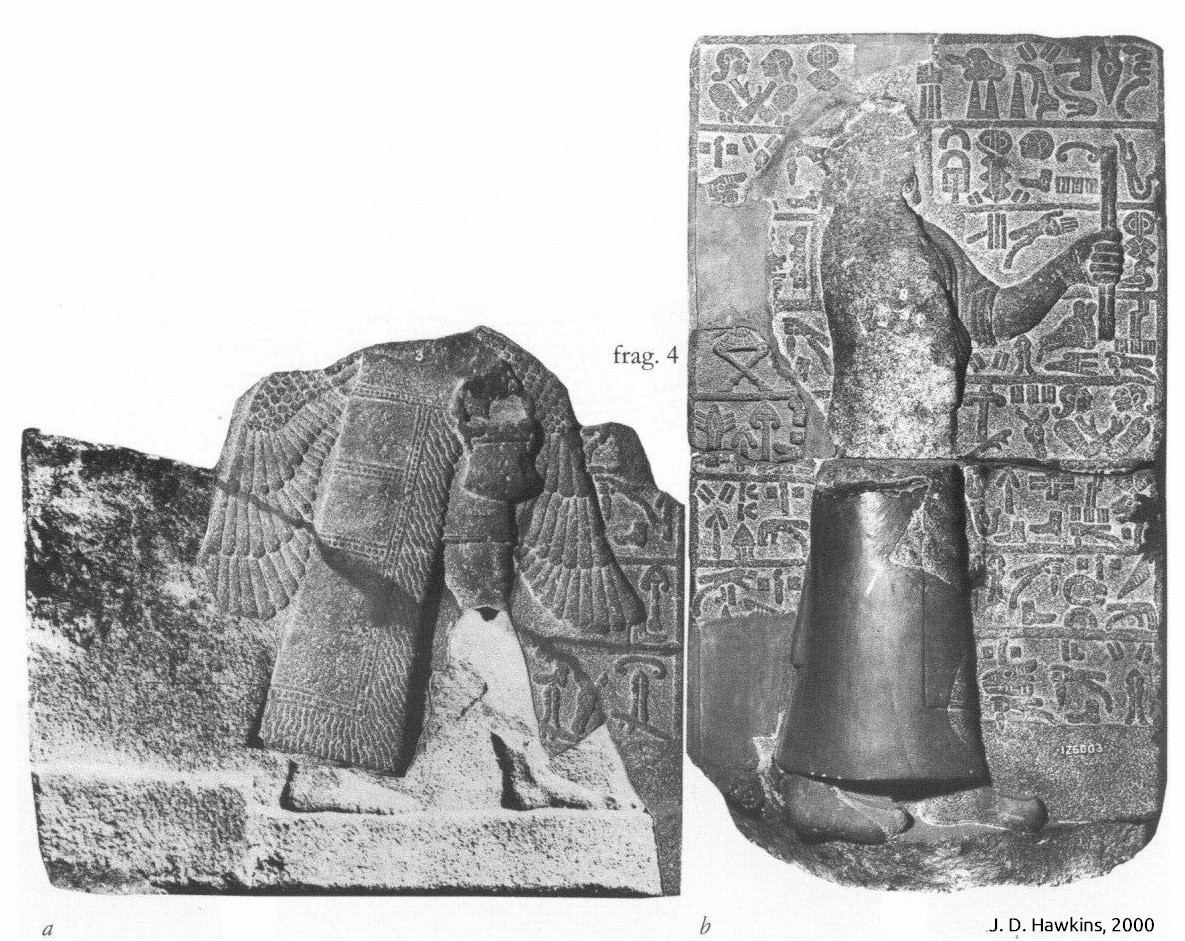
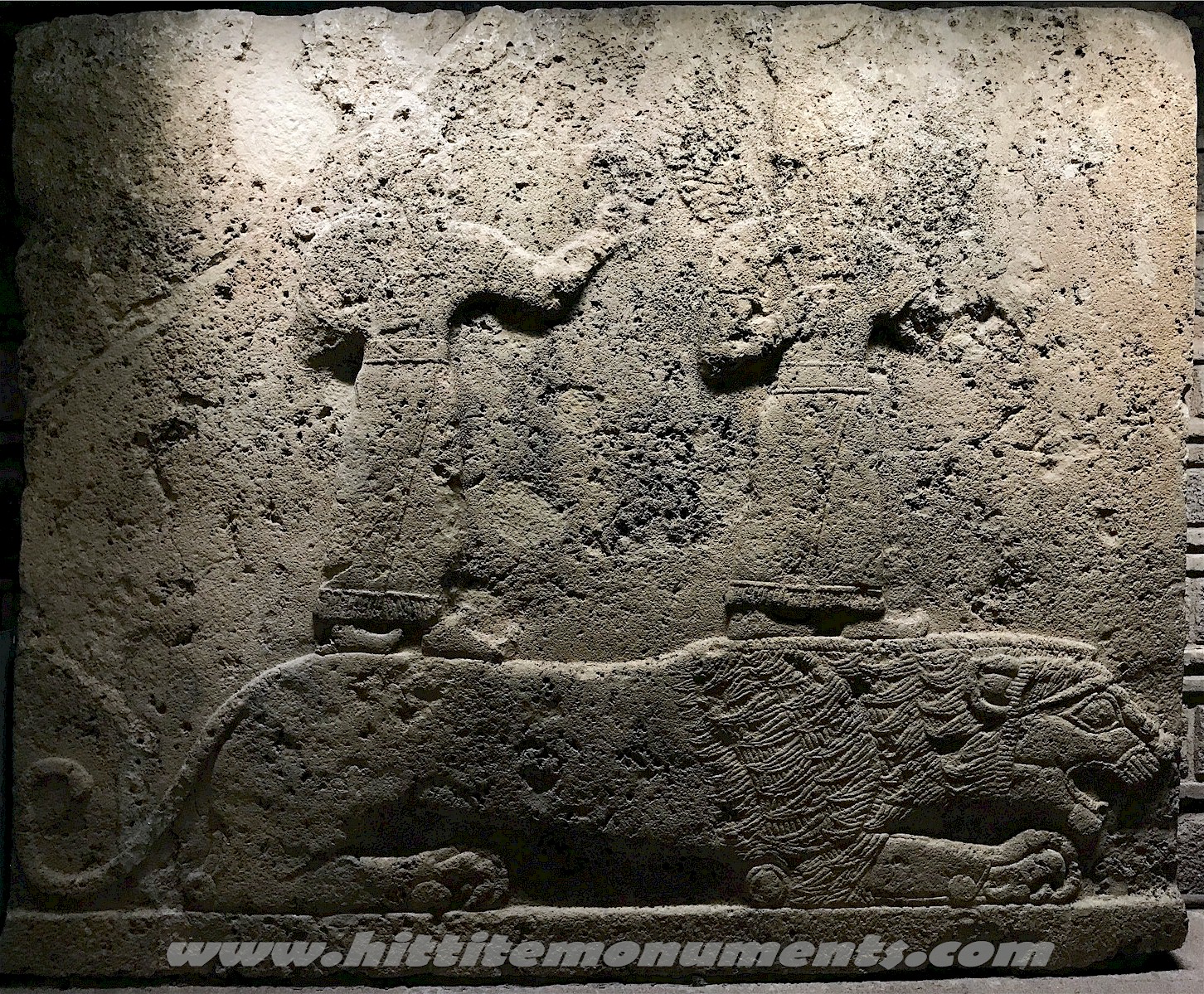
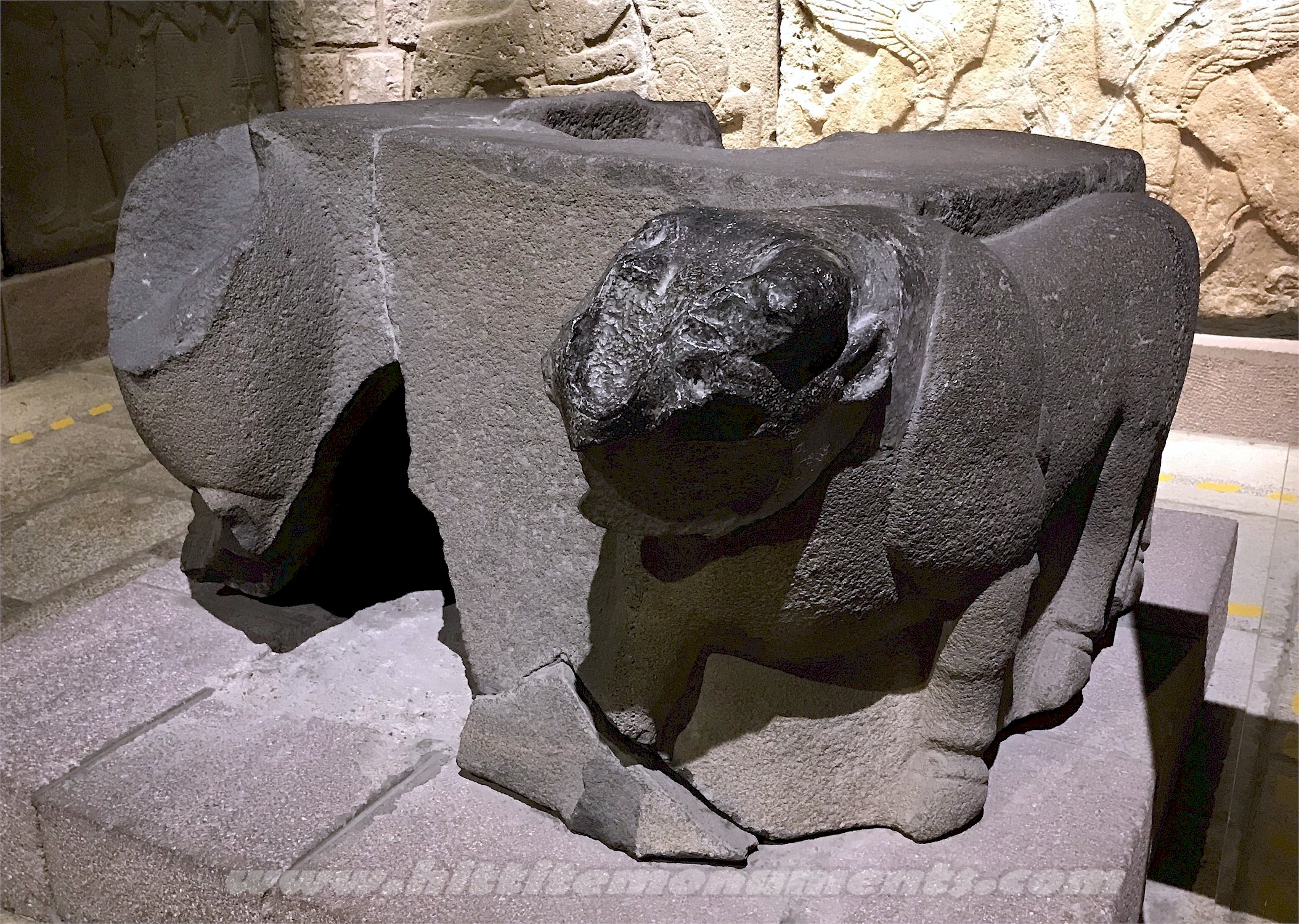


Herald's Wall


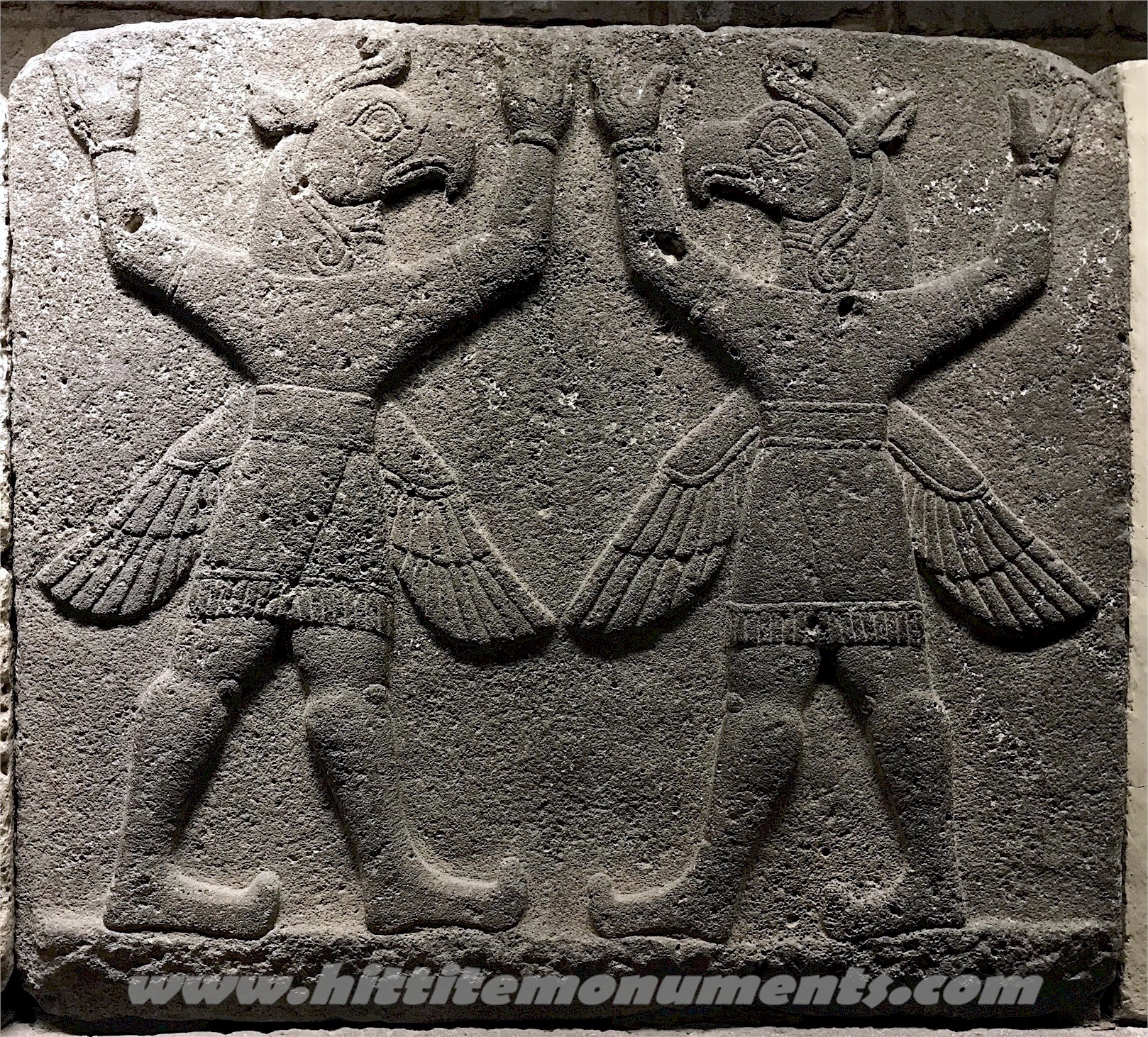


Royal Buttress of Yariri and Kamani


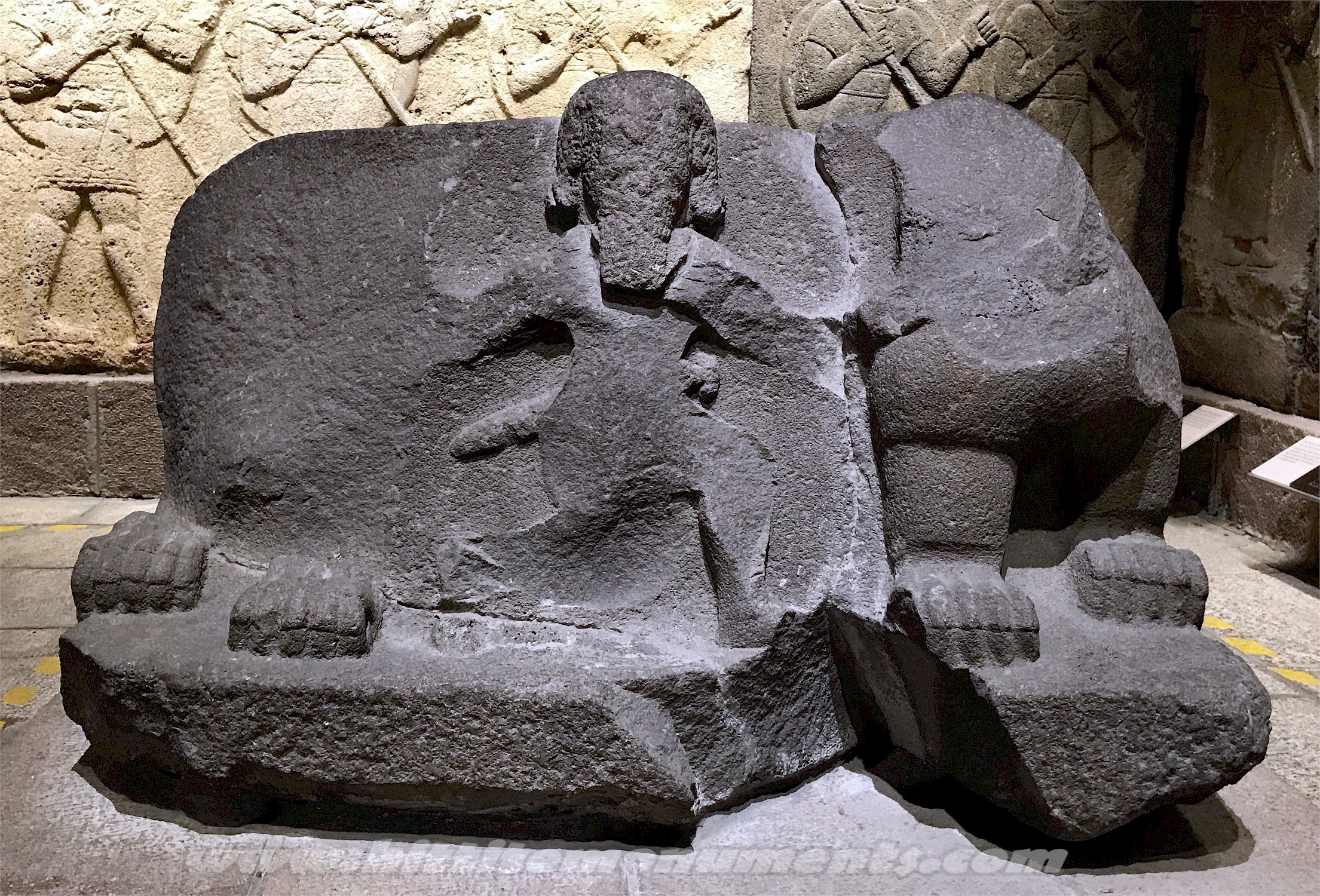


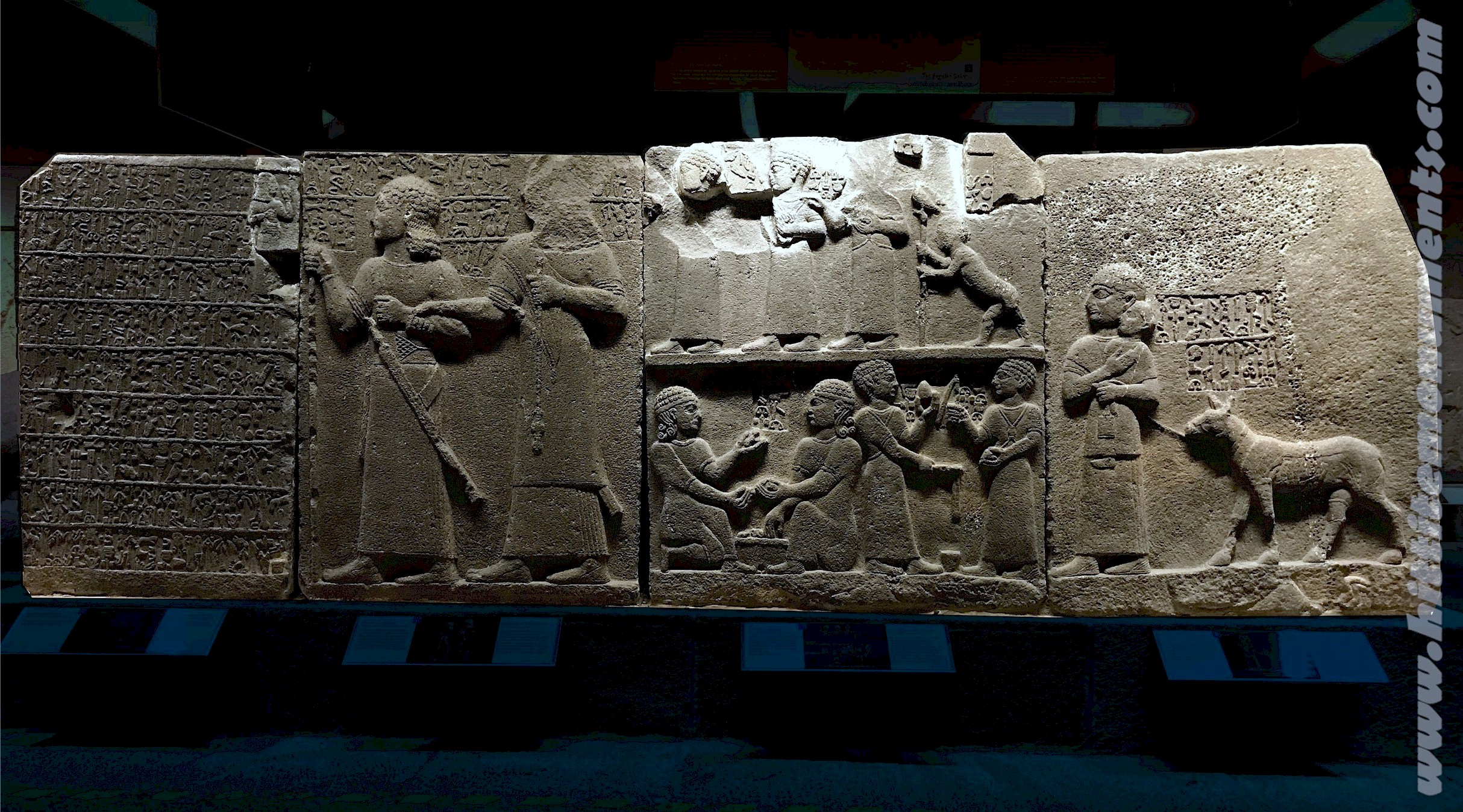
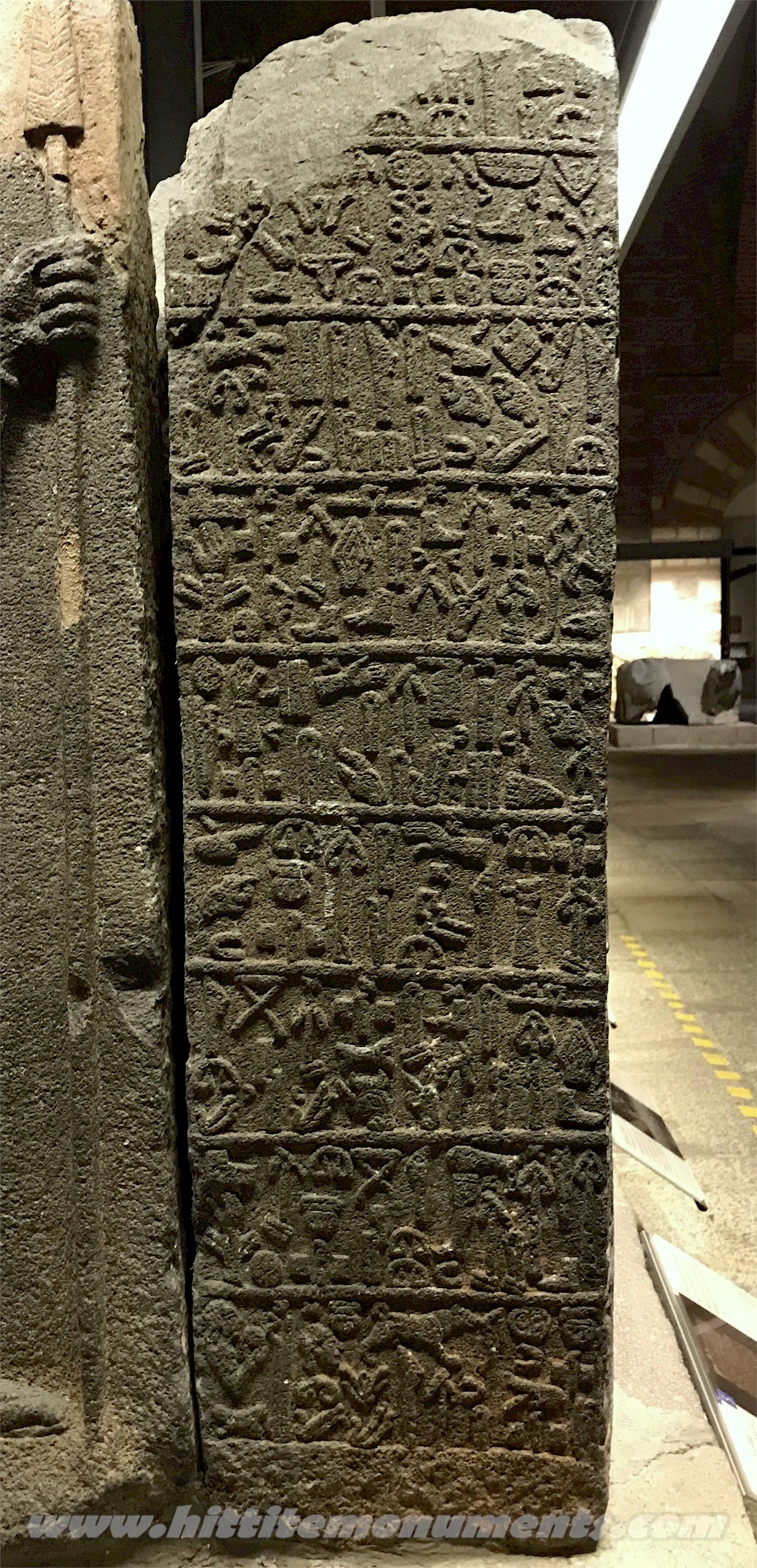
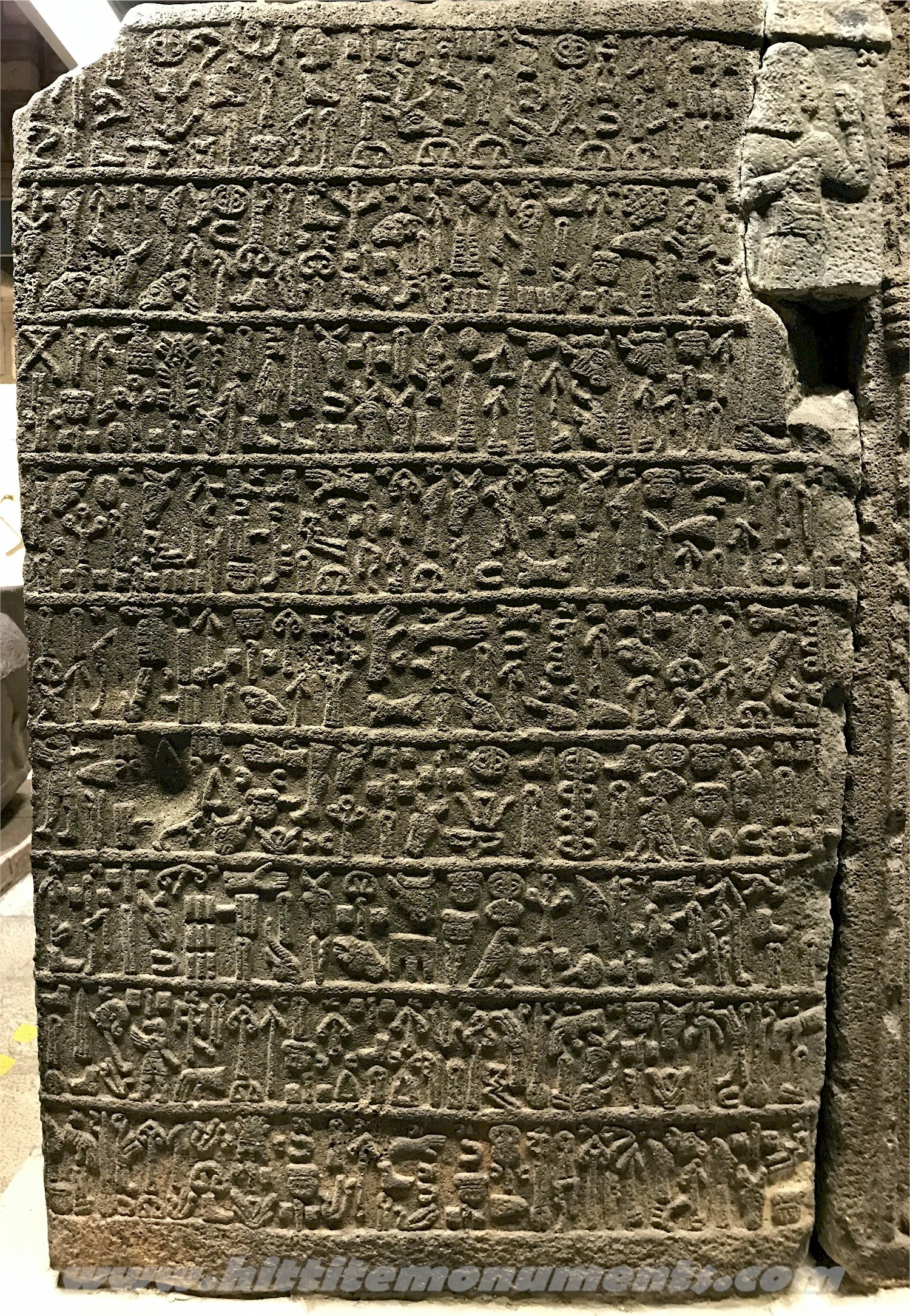
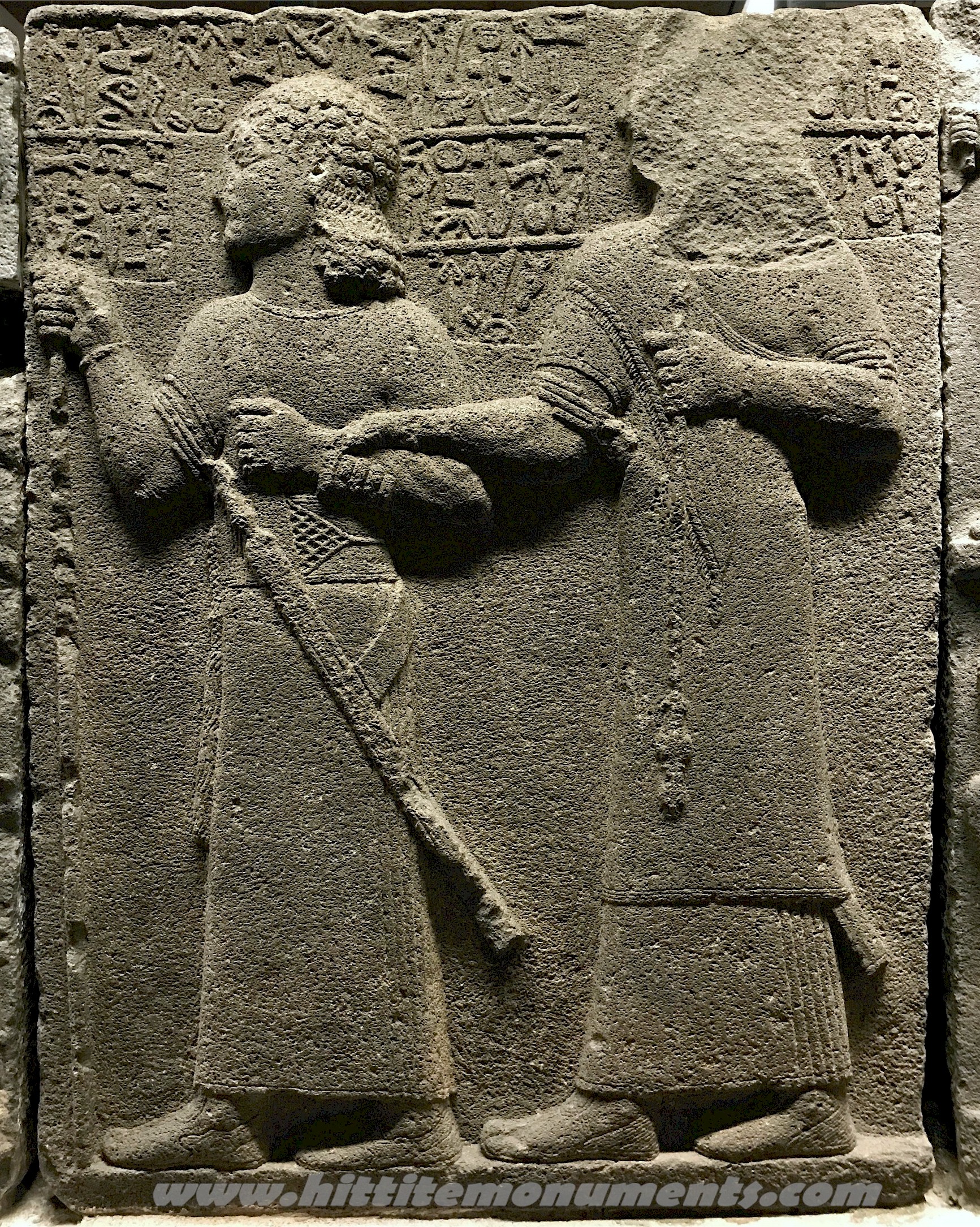
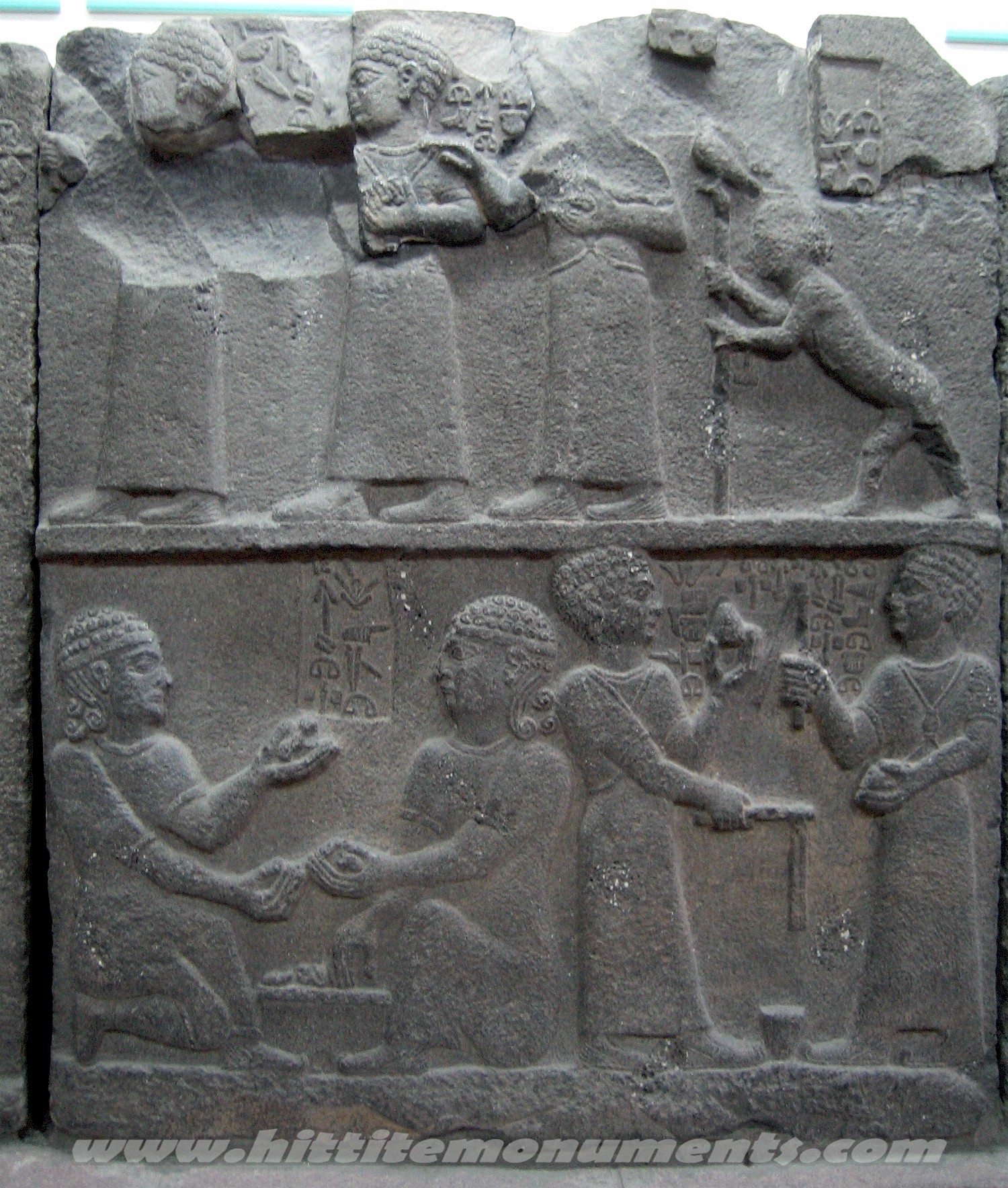
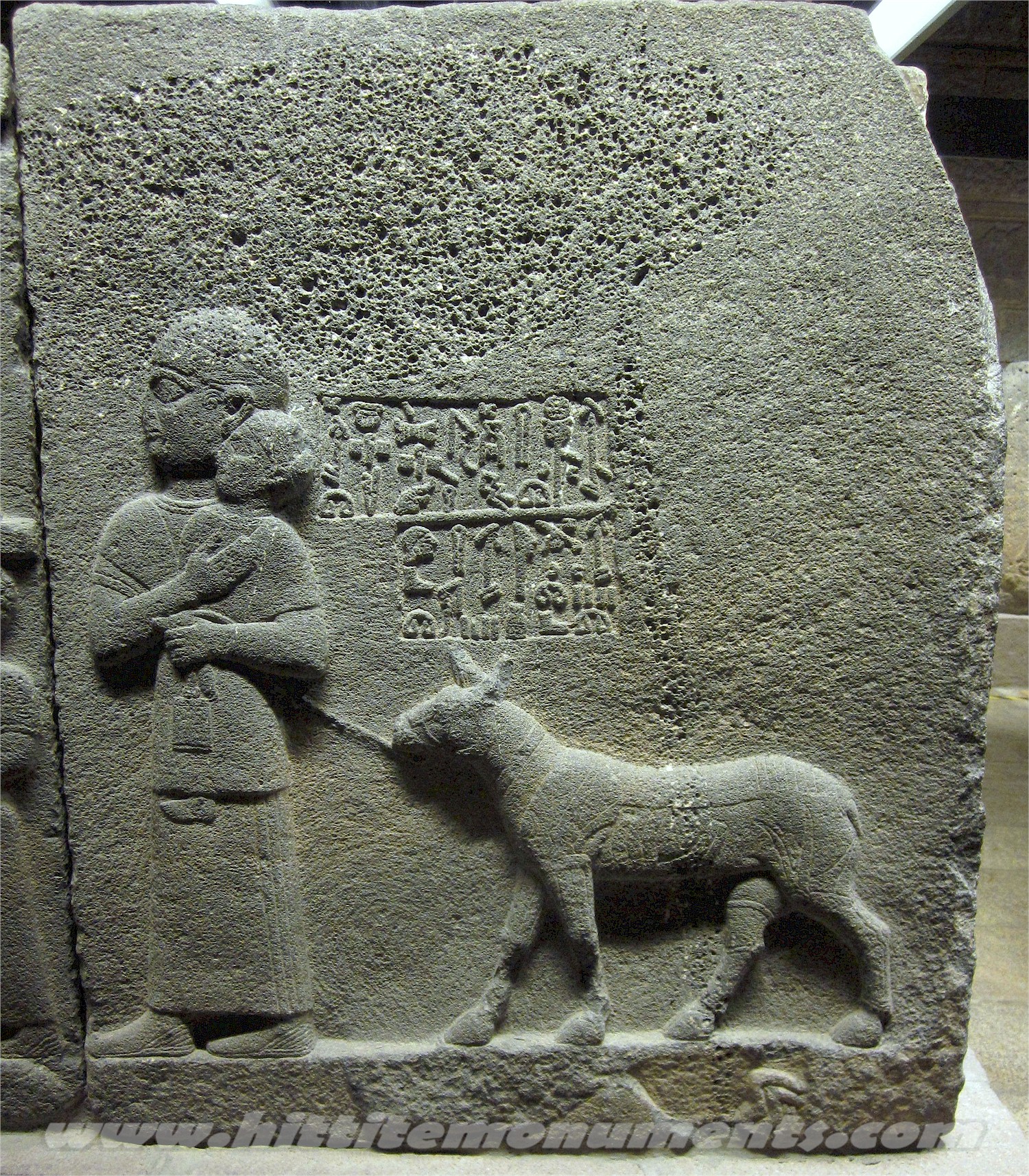

Procession Way


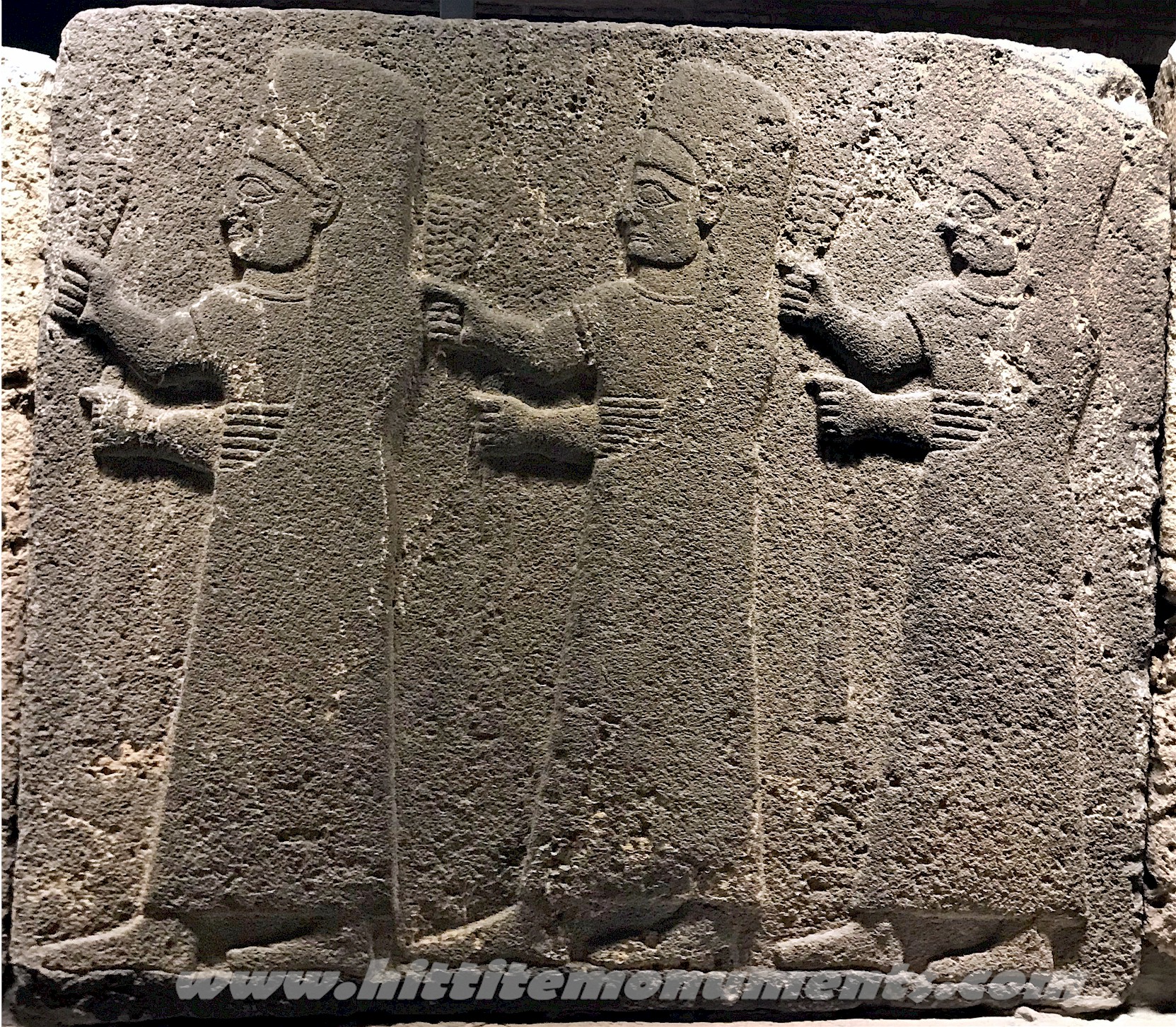


King's Gate


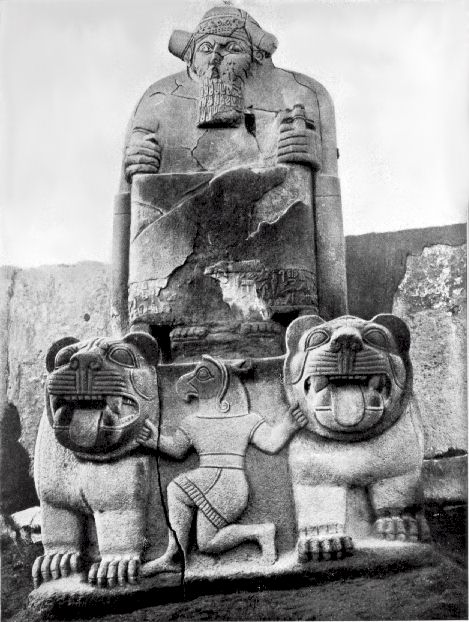
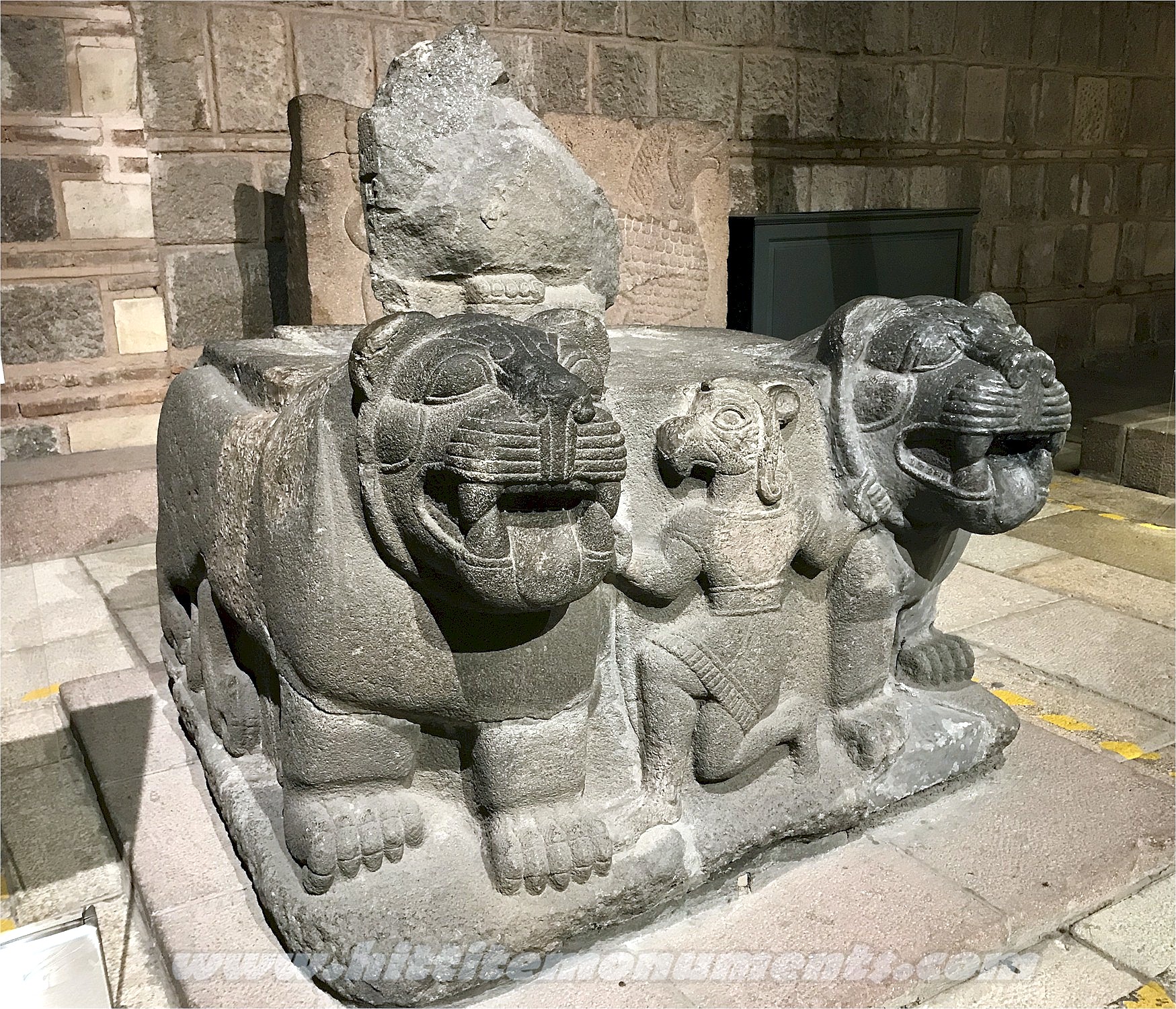


Water Gate area


Storm-god Temple


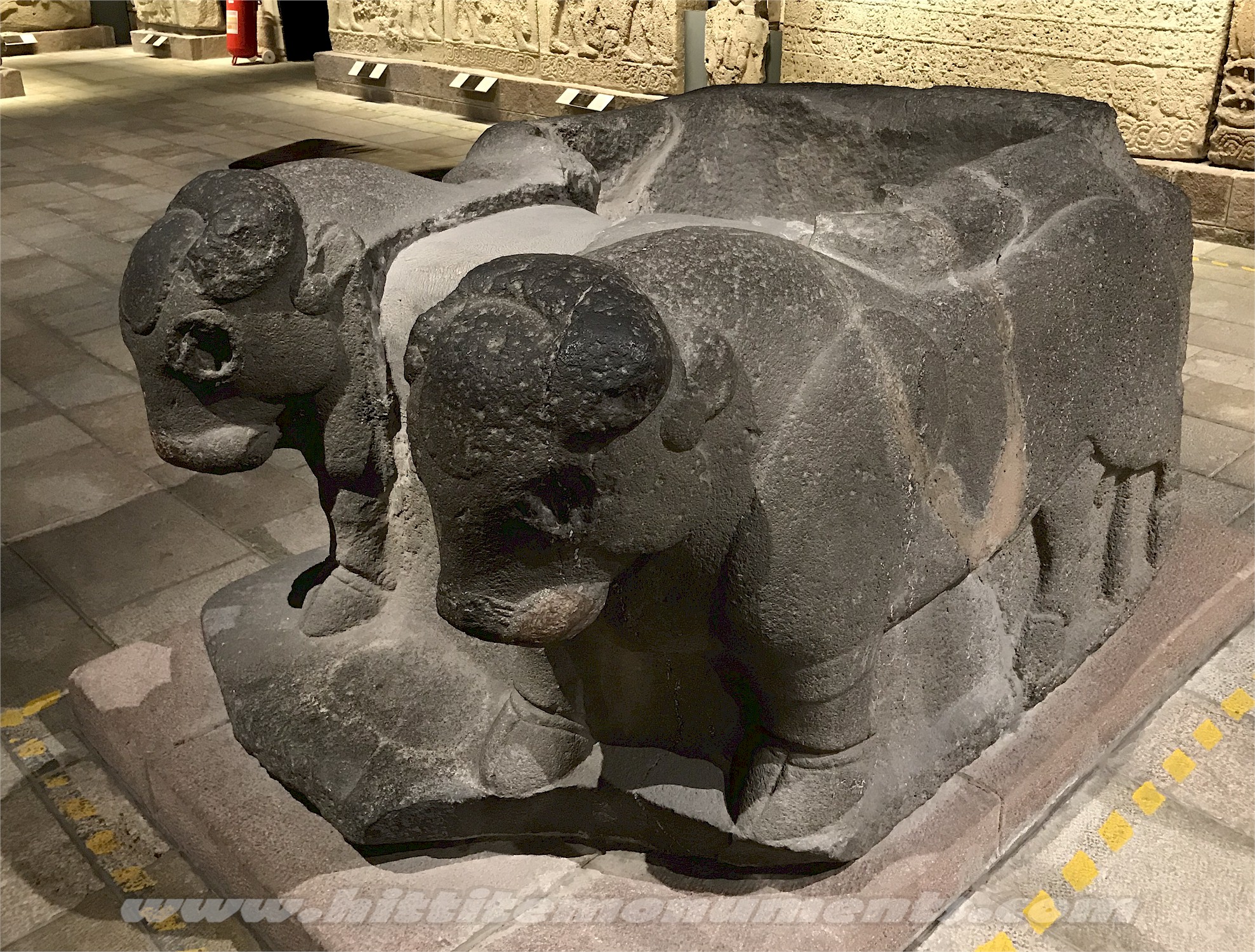

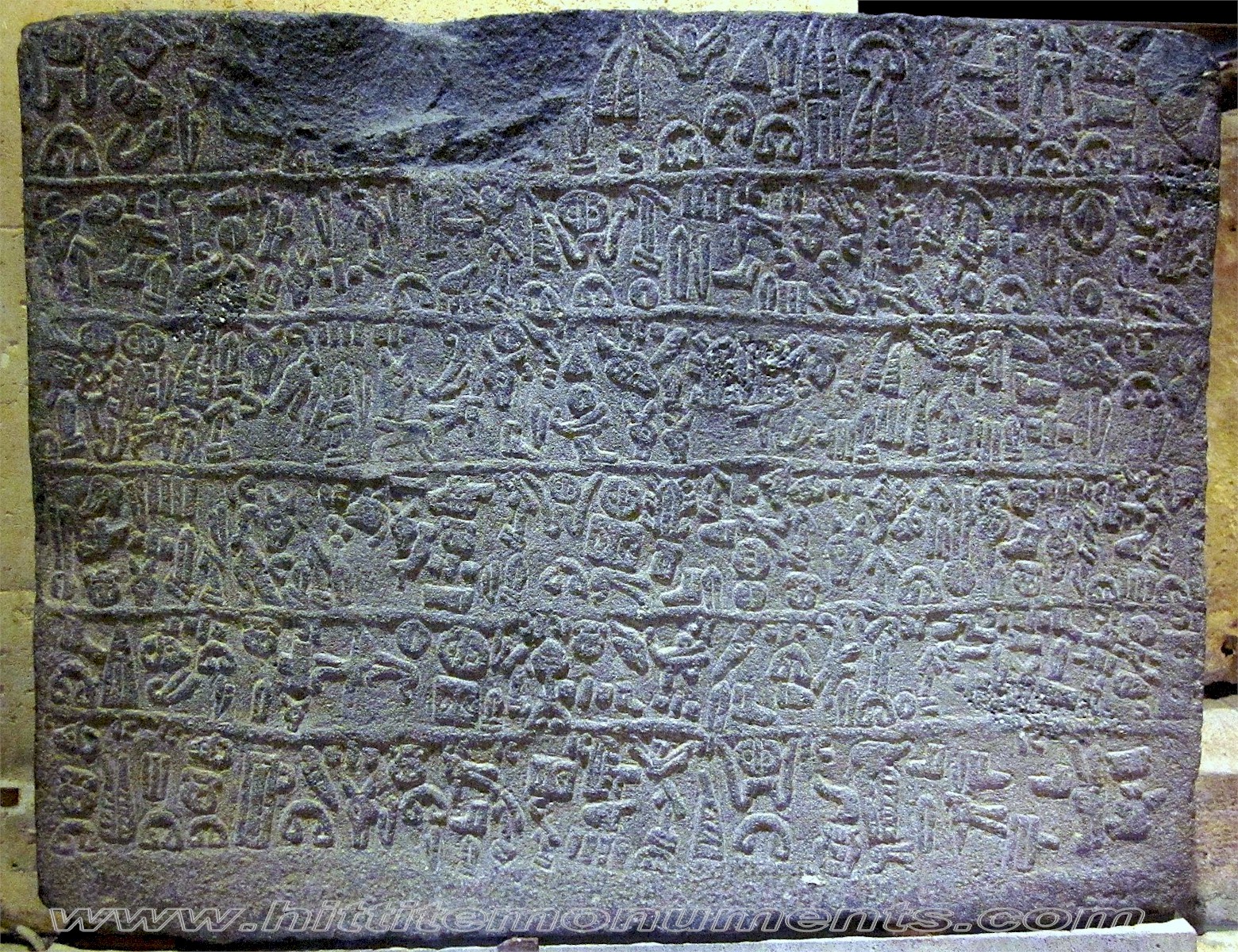
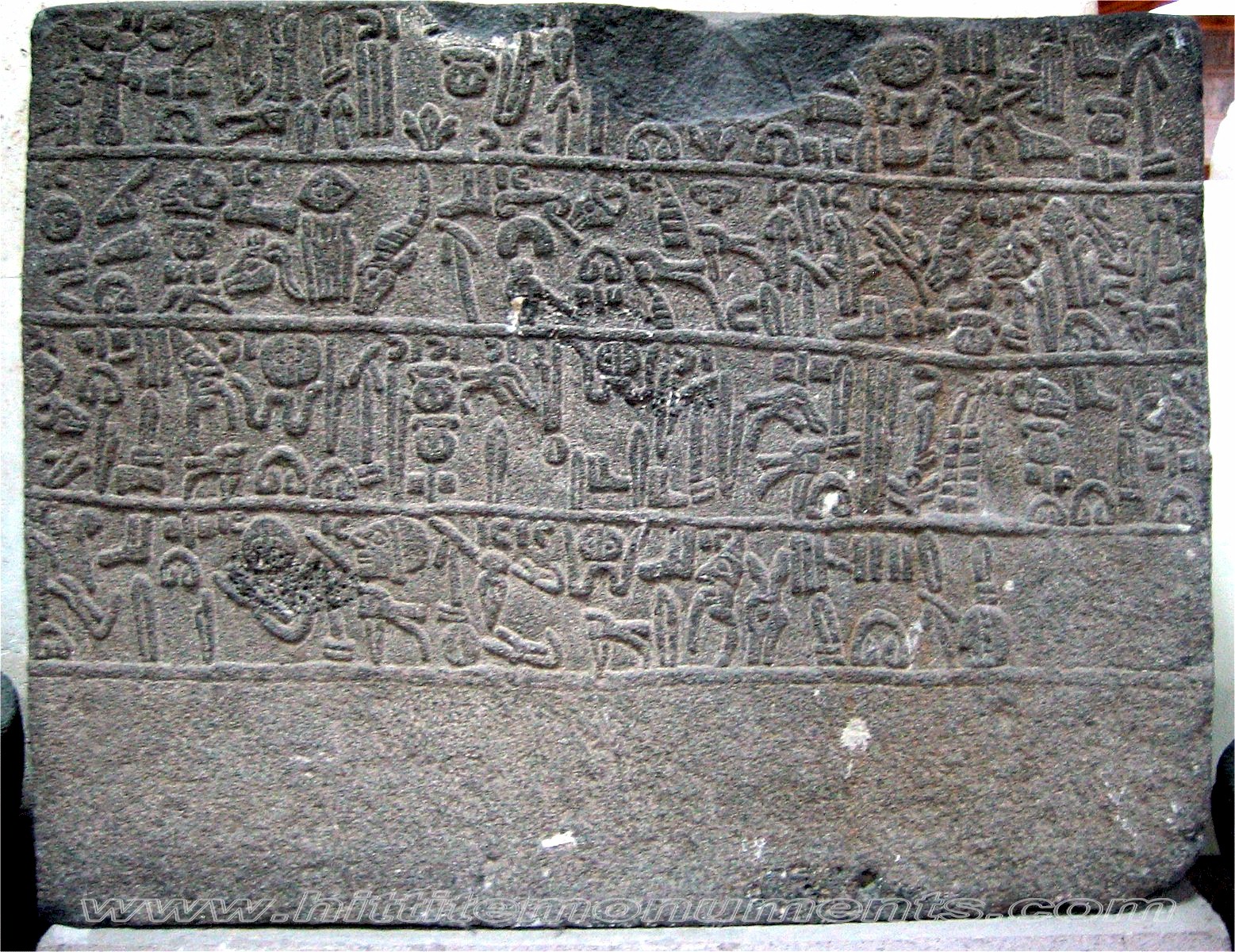
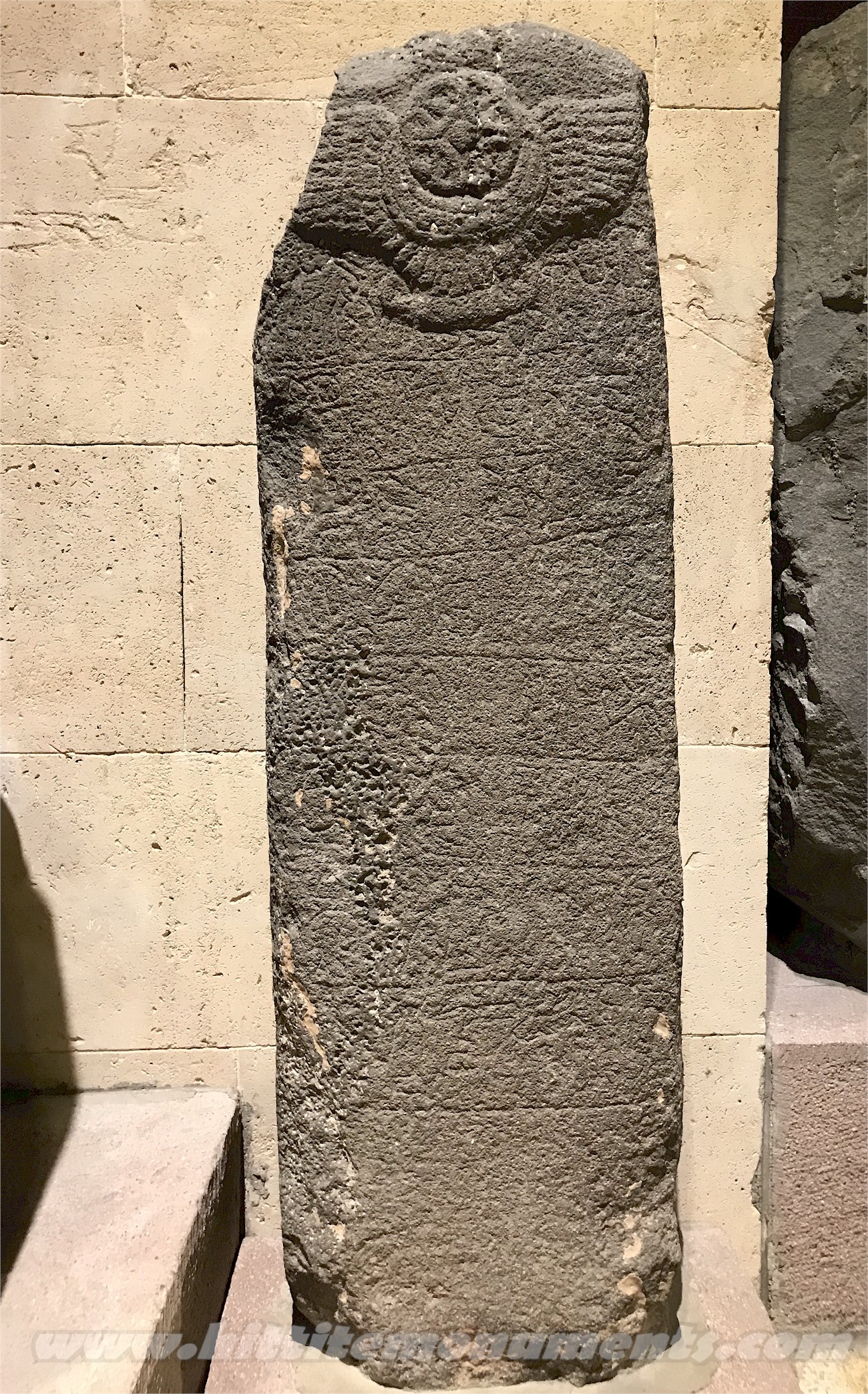
South Gate of the Inner Town


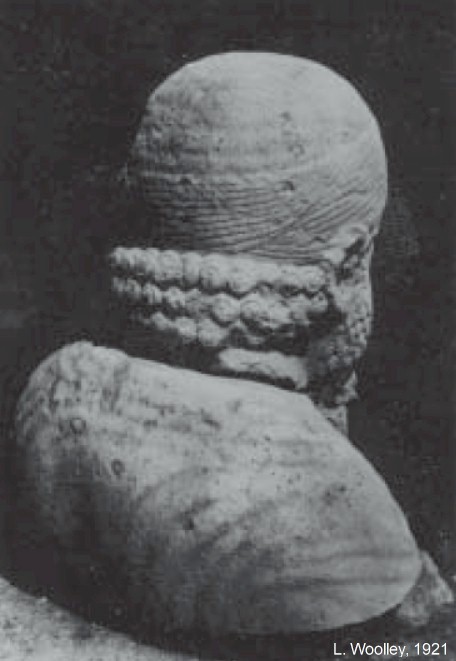
Recent finds


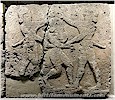
Details from the Long Wall, Grand Stairs and Herald's Wall

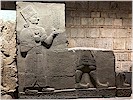


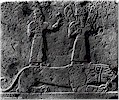


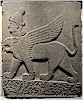

Details from the Buttress, the Procession Way and the King's Gate
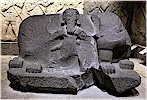
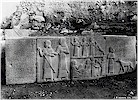
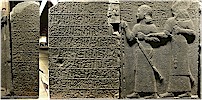
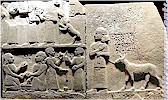


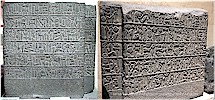

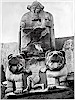
Details from the Storm-god Temple and South Gate


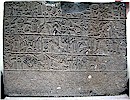


Detail pages for various inscriptions and other finds


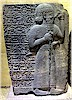



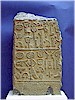


Stele of Atika (ADANA 1)